Guides
ADAS calibration guides
Clear, practical answers about when ADAS calibration is needed, how static and dynamic procedures work, and how mobile calibration fits into glass, collision, dealership and fleet work in Mississauga, Oakville and Burlington.
ADAS calibration after windshield replacement
On many vehicles the forward-facing camera is mounted to the windshield. When the glass is replaced, the camera's position can change slightly, and the manufacturer may require it to be calibrated before the vehicle is returned. Whether it is required depends on the vehicle and its equipment.
- Many vehicles mount the forward camera to the windshield, so new glass can change the camera's aim.
- The vehicle manufacturer's repair information decides whether calibration is required and which procedure applies.
- Calibration can be static (targets), dynamic (road drive) or both, depending on the vehicle.
Static vs dynamic ADAS calibration
Static calibration is done with the vehicle stationary, using targets placed at precise distances and heights. Dynamic calibration is done on the road with a scan tool connected, under the conditions the manufacturer specifies. Some systems need both stages. The vehicle manufacturer's procedure decides which one applies.
- Static calibration uses targets with the vehicle stationary. Dynamic calibration uses a road drive with a scan tool connected.
- Some systems need both stages, in the order the manufacturer specifies.
- The manufacturer's procedure, not the workshop, decides which method applies.
ADAS calibration after an accident or body repair
Collision repairs often involve the parts that ADAS sensors are mounted to: bumpers, grilles, mirrors, quarter panels and structural components. Not every repair needs calibration. It depends on what was repaired and the vehicle's equipment, and the manufacturer's repair procedure determines what's required.
- Bumpers, grilles, mirrors, panels and structural parts often carry or sit in front of ADAS sensors.
- A sensor can need calibration even when it wasn't damaged, because the repair changed its position.
- Pre-scans and post-scans show which systems are affected and confirm they're clear afterwards.
ADAS calibration for fleets and shops
AdasX comes to your shop, lot or yard, so vehicles don't need to be transported to an outside calibration facility. Calibrations are scheduled around your repair, glass or reconditioning work, and recurring or multi-vehicle requirements are quoted individually for your business.
- Mobile calibration removes the need to transport vehicles to an outside calibration facility.
- Calibrations are scheduled around your repair, glass or reconditioning work.
- Static calibrations need level ground and clear space at your location.
What is ADAS calibration?
ADAS calibration is the process of re-aiming a vehicle's driver assistance cameras and sensors so they measure the road accurately again. ADAS stands for Advanced Driver Assistance Systems: features such as automatic emergency braking, lane-keeping assist, adaptive cruise control and blind-spot monitoring. After certain repairs, the vehicle manufacturer may require these sensors to be calibrated before the vehicle goes back on the road.
- ADAS calibration re-aims driver assistance cameras and sensors so they read the road accurately.
- It's often required after windshield, bumper, structural, sensor or alignment work.
- Calibration can be static, dynamic or both, as the manufacturer specifies.
How much does ADAS calibration cost in Ontario?
The cost depends on the vehicle, the systems involved and the procedure the manufacturer specifies. At AdasX, single-system calibrations start from $249 to $399, a basic diagnostic scan starts at $79, and a post-collision ADAS assessment starts from $249. Multi-system work is quoted per vehicle. See the pricing page for current rates.
- Single-system calibrations at AdasX start from $249 to $399.
- Multi-system calibration starts from $399 and is quoted per vehicle.
- A basic diagnostic scan is $79. A scan is not a calibration.
Do you need ADAS calibration after a wheel alignment?
Sometimes. ADAS cameras and radar are aimed relative to the vehicle's direction of travel, which is set by the wheel alignment. When the alignment, ride height or suspension changes, some manufacturers call for a calibration or a sensor check afterwards. Whether it's required depends on the vehicle and the work performed.
- ADAS sensors are aimed relative to the vehicle's direction of travel, which alignment sets.
- Some manufacturers call for calibration after alignment, suspension or ride height changes.
- Always complete the alignment first, then calibrate.
Signs your ADAS needs calibration
The most common signs are an ADAS, camera or radar warning light, driver assistance features that switch off or show as unavailable, and features that behave differently than before, such as lane-keeping that steers to one side. These signs often appear after glass, bumper, alignment or sensor work. A diagnostic scan shows what the systems report, and the manufacturer's procedure decides whether calibration is needed.
- Warning lights, unavailable features and changed behaviour are the main signs.
- They often follow glass, bumper, alignment or sensor work.
- A blocked sensor or failed part can cause similar warnings, so scan first.
ADAS calibration after bumper replacement
Many vehicles mount radar sensors, parking sensors and cameras in or behind the front and rear bumpers. When a bumper is repaired, replaced or refinished, those sensors can be moved, re-mounted or covered by new material, and the manufacturer may require a calibration or an aim check before the vehicle is returned. Whether it's required depends on the vehicle and the work performed.
- Radar, parking sensors and cameras are often mounted in or behind bumpers.
- Removing, replacing or refinishing a bumper can change a sensor's aim or signal.
- The manufacturer's repair information decides whether calibration is required.
Is ADAS calibration covered by insurance?
Often, when the calibration is required because of a covered repair. If a collision or windshield claim includes repairs that the manufacturer says need ADAS calibration, the calibration is usually treated as part of that repair. Coverage always depends on your policy, your deductible and your insurer's decision, so confirm with your insurer or your repair shop before the work is done.
- Calibration required by a covered repair is usually treated as part of that repair.
- Coverage depends on your policy, deductible and insurer, so confirm before work starts.
- Keep the calibration documentation with the repair records.
ADAS calibration in winter
Winter affects driver assistance systems in two ways. Snow, ice, slush and road salt can block cameras and radar, causing warnings that look like a fault. And winter conditions can make some calibration procedures harder to complete, especially dynamic calibrations that need clear lane markings. Planning around the weather keeps calibrations on schedule.
- Snow, ice and salt can block sensors and cause warnings that aren't faults.
- If a warning clears after cleaning, it was likely a blockage. If not, scan the vehicle.
- Dynamic calibrations need clear lane markings, so winter weather can affect timing.
Mobile vs in-shop ADAS calibration
With mobile ADAS calibration, the technician and equipment come to your business, and the vehicle is calibrated where it was repaired. The alternative is sending the vehicle out to a calibration facility, which means transport, drop-off and pick-up. Both follow the same manufacturer procedures. The difference is logistics, and whether your site has the conditions the procedure needs.
- Mobile calibration brings the equipment to your business instead of sending the vehicle out.
- The manufacturer's procedure is the same wherever the calibration is done.
- Static calibration needs level ground and clear space at your site.
Blind-spot radar calibration after rear bumper or body repair
Blind-spot monitoring usually relies on radar sensors mounted behind the rear bumper corners. When the rear bumper, a bracket or a quarter panel is repaired, removed or replaced, those sensors can end up aimed slightly differently, and the manufacturer may require a calibration or an aim check before the vehicle is returned. Whether it's required depends on the vehicle and the work performed.
- Blind-spot monitoring usually uses radar behind the rear bumper corners.
- Rear bumper, bracket and quarter panel repairs can change the radar's aim.
- Refinishing in front of radar may be limited by the manufacturer.
ADAS calibration after a lift kit, lowering or suspension work
ADAS cameras and radar are aimed relative to the vehicle's ride height and the direction it travels. Lifting or lowering a vehicle, changing tire size, or repairing suspension can change the angle those sensors look at the road, and some manufacturers call for calibration after that kind of work. Whether it's required depends on the vehicle, the change made and the manufacturer's repair information.
- ADAS sensors are aimed for the vehicle's designed ride height.
- Lifting, lowering, tire size changes and suspension repairs can change sensor aim.
- Complete the wheel alignment before calibration.
Lane keep assist not working: camera faults and calibration
Lane keep assist and lane departure warning depend on a forward camera reading lane markings. When the system stops working or shows a warning, the cause can be temporary, such as a dirty windshield or covered lane lines, or it can be a fault that needs a scan, a repair or a camera calibration. A diagnostic scan shows what the system reports, which is the starting point for the right fix.
- Lane keep assist relies on a forward camera reading lane markings.
- Dirty glass, covered lines and weather can switch it off temporarily.
- Glass replacement, alignment, suspension and collision repairs can call for calibration.
ADAS calibration documentation for repair files and insurers
Calibration documentation is the record that shows which systems were scanned and calibrated, which procedure was followed and what the result was. Repair shops typically keep it with the repair file, and insurers or customers may ask for it as part of a claim or a repair invoice. What's available depends on the vehicle and the scan tool used.
- Documentation shows which systems were scanned and calibrated, and the result.
- Pre-scans and post-scans record the vehicle's condition before and after.
- Insurers decide coverage. Records give the shop clear supporting detail.
OEM position statements on ADAS scanning and calibration
A position statement is a document a vehicle manufacturer publishes to state its requirements or recommendations on a repair topic, such as scanning, ADAS calibration, glass replacement or the use of certain parts. Collision and glass shops use them alongside the repair procedures to plan work. The statement and the procedure for the specific vehicle are the references, not general rules of thumb.
- Position statements set out a manufacturer's stance on a repair topic.
- They often cover scanning, ADAS calibration, glass and parts.
- A statement gives the principle. The vehicle's repair procedure gives the steps.
How long does ADAS calibration take?
There isn't one fixed time. How long a calibration takes depends on the vehicle, how many systems need calibrating, whether the procedure is static, dynamic or both, and whether the vehicle is ready when the work starts. We give a time estimate when we confirm the job, based on the vehicle and the procedure.
- Calibration time depends on the vehicle, the systems involved and the procedure.
- Static setups take time to measure and position targets.
- Dynamic drives depend on road, weather and traffic conditions.
Adaptive cruise control radar calibration
Adaptive cruise control usually relies on a front radar sensor, often behind the grille, emblem or lower bumper, and on many vehicles it works alongside the forward camera. If the radar is moved, replaced or knocked out of alignment, the manufacturer may require a calibration before the system is used again. Whether it's required depends on the vehicle and the work performed.
- Adaptive cruise control usually uses a front radar, often working with the forward camera.
- Bumper, grille, emblem and bracket work can change the radar's aim.
- Covers and refinishing in front of the radar can affect its signal.
Surround-view and 360° camera calibration
Surround-view systems combine images from several cameras, usually in the front, rear and side mirrors, into one top-down view of the vehicle. If a camera is replaced, or the mirror, bumper, grille or tailgate it's mounted on is repaired, the stitched image can be misaligned and the manufacturer may require calibration. Whether it's required depends on the vehicle and the work performed.
- Surround-view blends images from front, rear and mirror cameras into one top-down view.
- Mirror, bumper, grille and tailgate repairs can misalign the stitched image.
- Most procedures use mats or boards placed around the vehicle.
ADAS calibration for dealerships and used-vehicle reconditioning
Dealerships handle vehicles with a wide range of ADAS equipment, and many used vehicles arrive after glass, body or alignment work done elsewhere. Scanning at intake and calibrating where the manufacturer's procedure requires it helps confirm that driver assistance features work before a vehicle is sold or returned to its owner. A mobile service can do this on the lot without sending vehicles out.
- Used vehicles may have had glass, body or alignment work without calibration.
- Scanning at intake records what the systems report before reconditioning.
- Complete repairs and alignment first, then calibrate and post-scan.
ADAS diagnostic scan vs calibration: what's the difference?
A diagnostic scan reads what the vehicle's modules report, including fault codes, through the diagnostic port. A calibration re-aims a sensor, such as a camera or radar, to the manufacturer's specification. A scan shows whether there's a problem, but it doesn't correct a sensor's aim. A calibration corrects the aim, and it includes the scan steps its procedure requires.
- A scan reads fault codes and system status. A calibration re-aims a sensor.
- A basic diagnostic scan at AdasX is $79. A scan is not a calibration.
- A misaimed sensor may not set a fault code, so a clear scan doesn't rule out calibration.
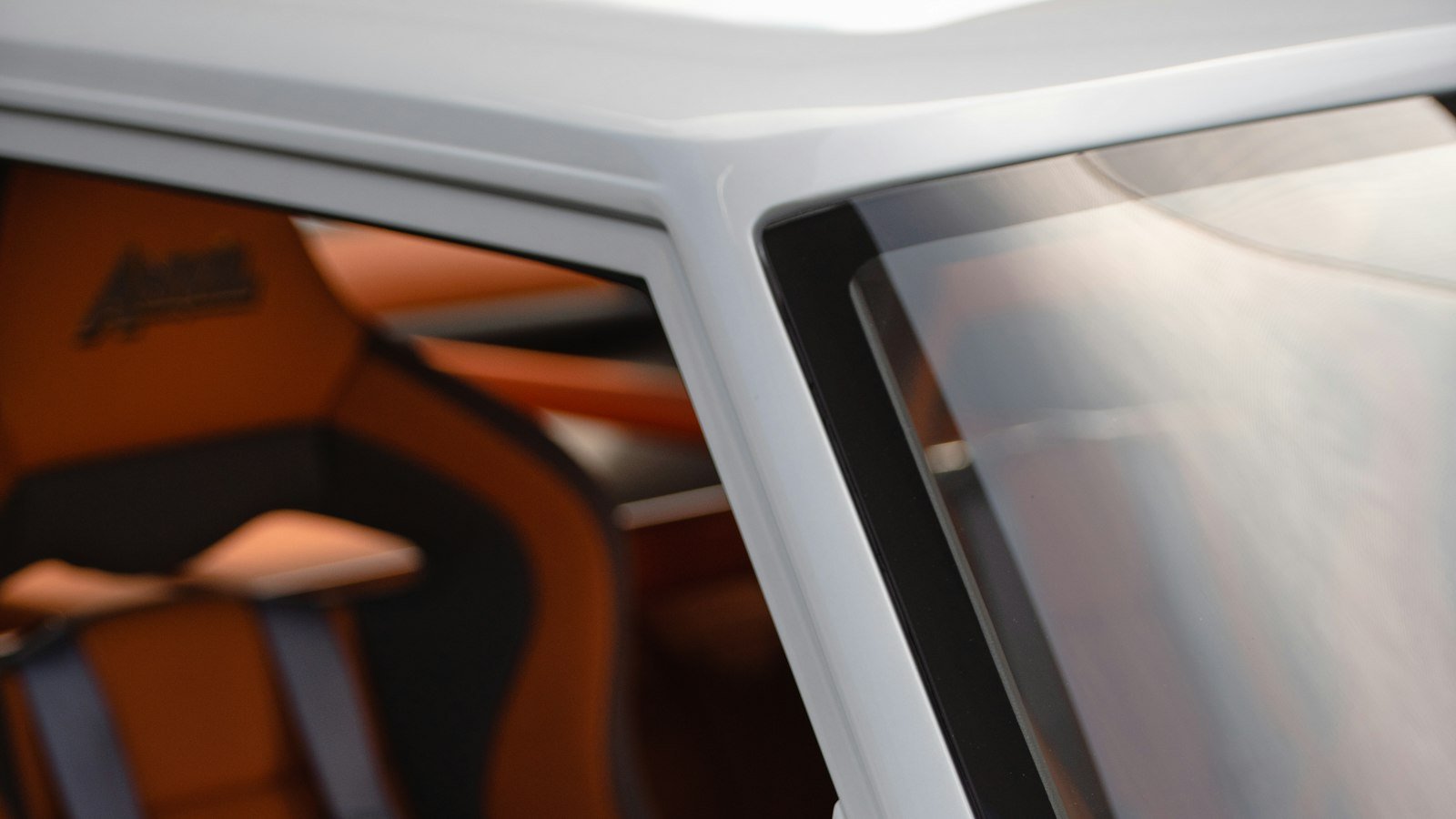
ADAS calibration after side mirror replacement
On many newer vehicles the side mirror is more than glass. It can house a camera for the surround-view or side-view system, along with indicator lamps for blind-spot warnings and other sensors. When a mirror assembly or its camera is replaced, the manufacturer's repair information may call for a camera calibration. Whether it's required depends on the vehicle, its equipment and the parts replaced.
- Many side mirrors contain a surround-view or side camera, not just glass and a signal lamp.
- The manufacturer's repair information decides whether a camera calibration is required after mirror work.
- Blind-spot radars are often in the rear bumper corners, so a mirror replacement doesn't usually move them.
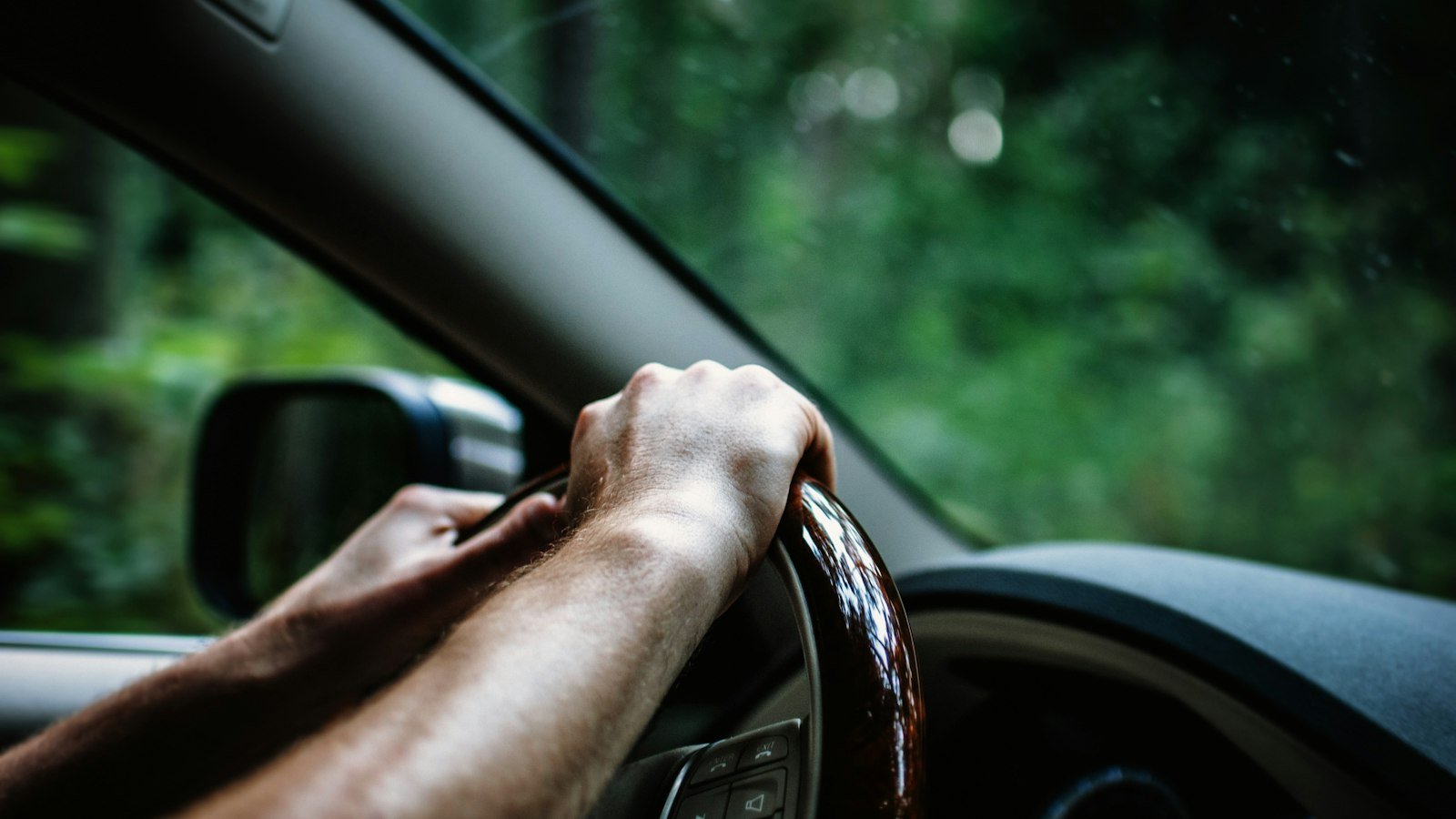
Steering angle sensor reset: what it is and when it's needed
The steering angle sensor tells the vehicle which way, and how far, the steering wheel is turned. Stability control and several driver assistance features rely on it. After wheel alignment, steering repairs or sensor replacement, many vehicles need the sensor's centre position reset with a scan tool so the reading matches straight ahead. Some vehicles relearn it on their own. The manufacturer's procedure decides which applies.
- The steering angle sensor feeds stability control and features such as lane-keeping assist.
- Many vehicles need a centre-position reset after alignment or steering work. Some relearn it on their own.
- Complete the alignment with the steering wheel centred before resetting the sensor.
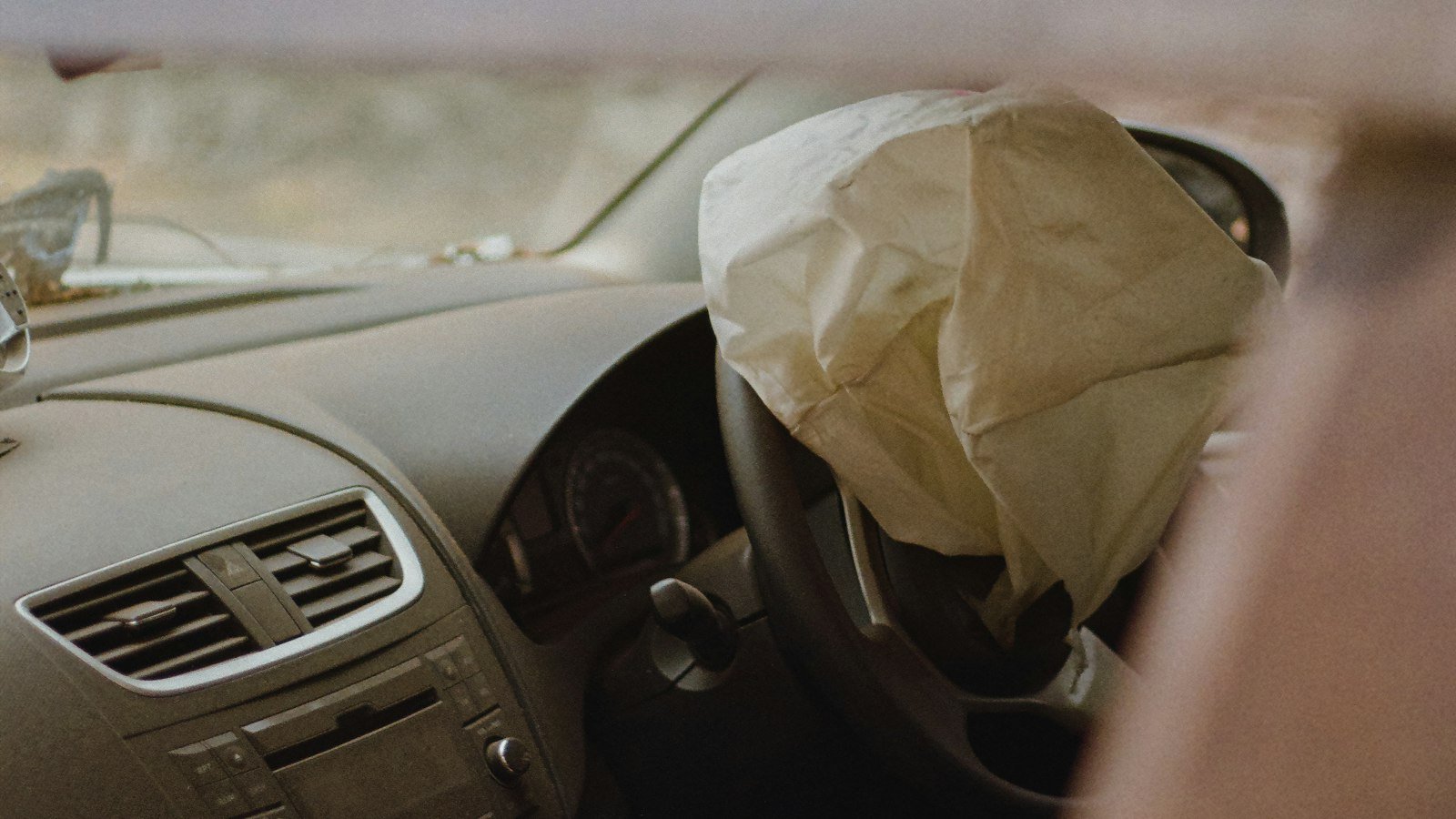
ADAS calibration after an airbag deployment
An airbag deployment is a sign that the collision was significant enough to involve the vehicle's safety systems. The airbag repair itself follows the manufacturer's restraint system procedures, and the same collision may have affected cameras, radar, the windshield, bumpers or wheel alignment. Calibration is required where the manufacturer's repair information calls for it for the parts and systems involved, which is why a thorough scan and repair review matter.
- An airbag deployment signals a significant collision, so review every system it could have affected.
- Restraint system repairs follow the manufacturer's procedures and usually come before ADAS calibration.
- Pre-scans and post-scans document the vehicle's condition, but a clear scan doesn't rule out calibration.
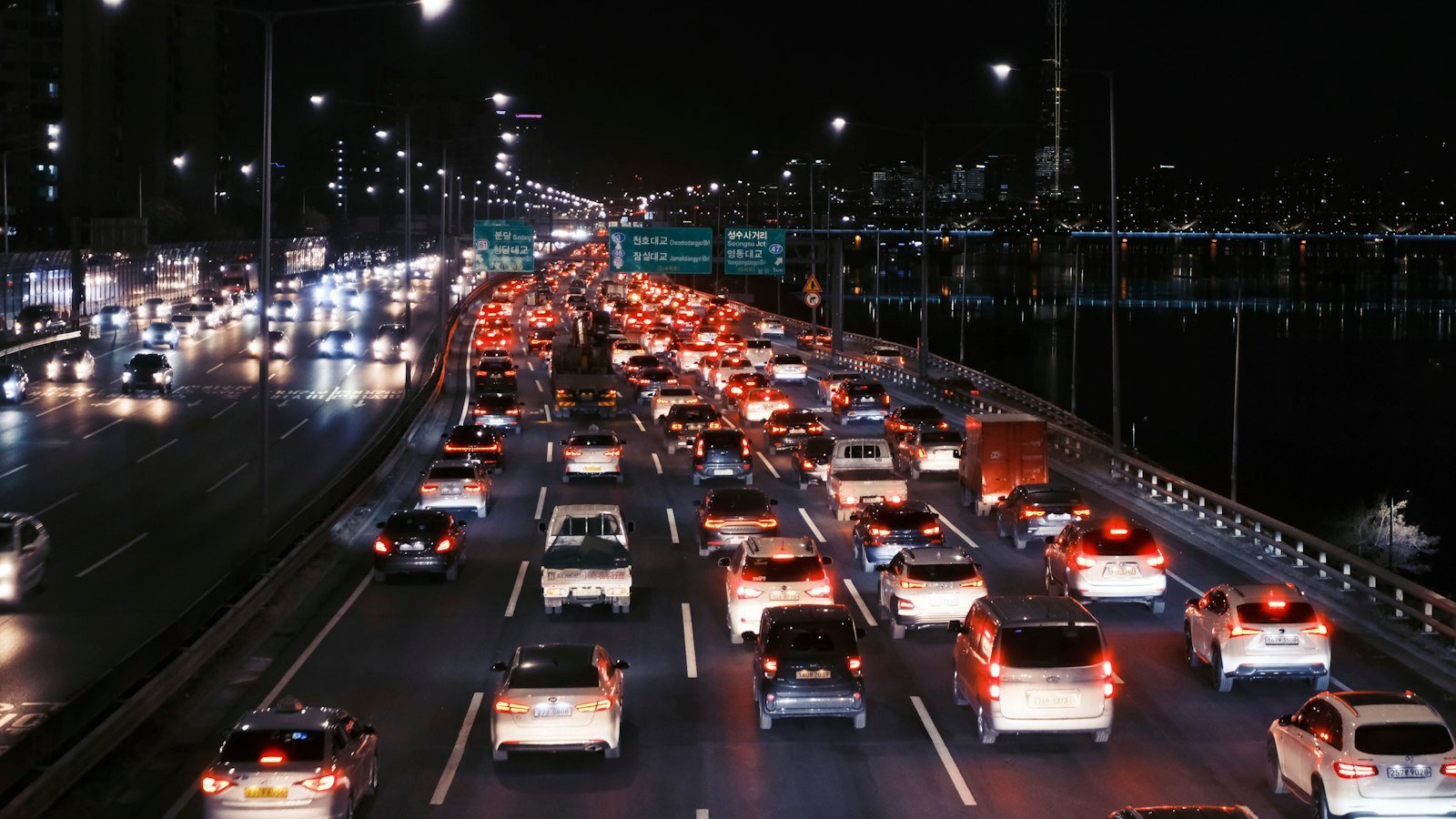
Forward collision warning not working: common causes and next steps
Forward collision warning and automatic emergency braking rely on a forward camera, a front radar or both. They can stop working when a sensor is blocked by snow, dirt or a sticker, when the feature has been switched off, in some weather conditions, after a repair moved a sensor, or because of a fault. Your owner's manual explains the system's limits and settings. If the warning stays on or the system stays unavailable, a diagnostic scan is the next step.
- Forward collision warning uses a forward camera, a front radar or both.
- Check the settings and clean the windshield and front bumper area before anything else.
- Temporary messages in bad weather are common. A persistent warning needs a diagnostic scan.
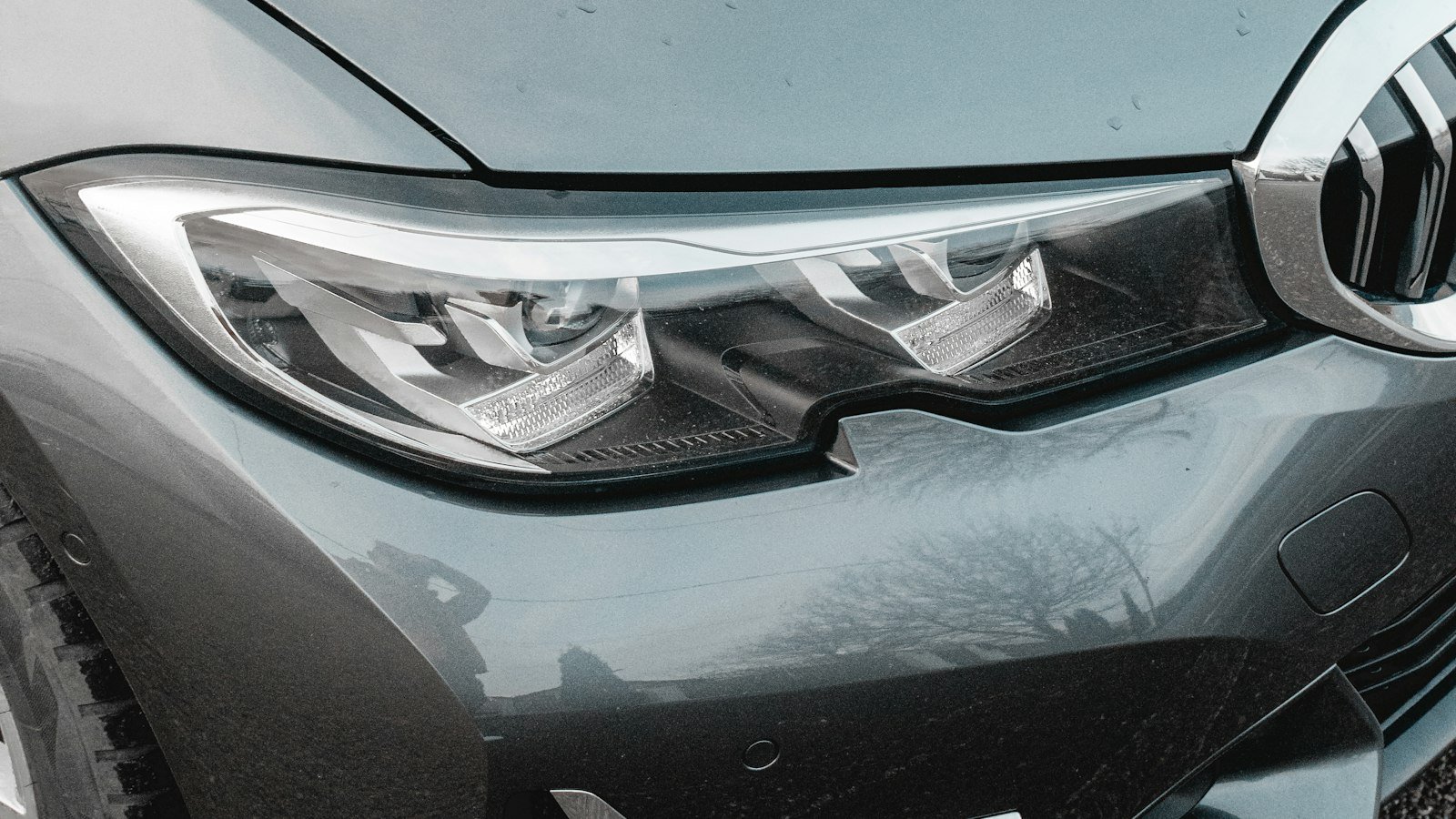
ADAS calibration after grille or emblem replacement
On many vehicles the front radar sits behind the grille or the front emblem, and some emblems are designed to let the radar signal through. Removing or replacing a grille, emblem or radar cover can change the sensor's aim, disturb its bracket or put a part in front of it that doesn't match the original. The manufacturer's repair information decides whether radar calibration, a check or a specific part is required.
- On many vehicles the front radar sits behind the grille, the emblem or the bumper cover.
- Emblems and covers in front of radar are often designed to let the signal through. Replacements must match.
- The manufacturer's repair information decides whether a calibration or check is required.
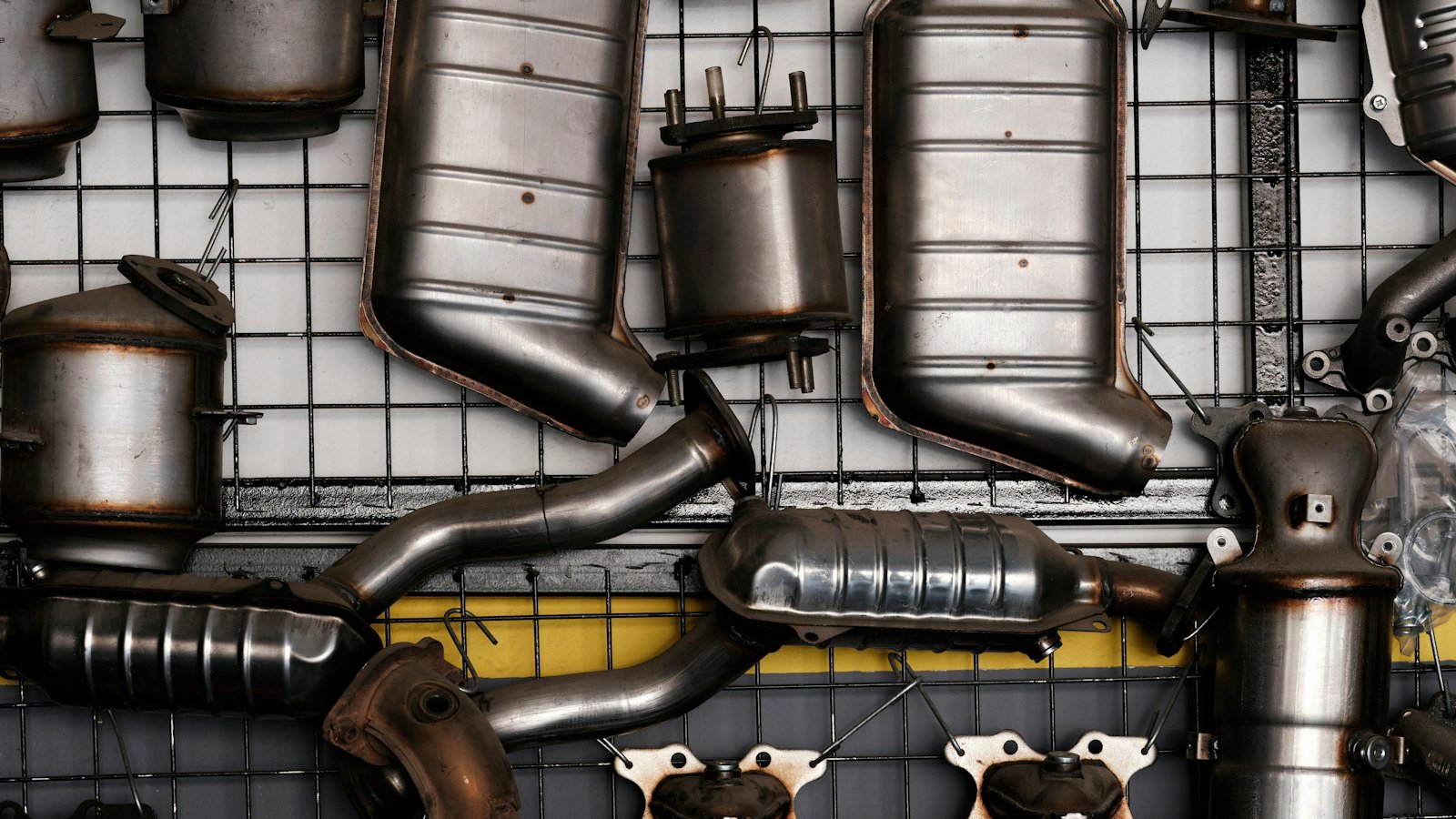
Aftermarket parts and ADAS calibration: what to check
ADAS sensors are designed to work with the parts around them: the windshield in front of the camera, the bumper or emblem in front of the radar and the brackets that hold them. A non-original part that differs in shape, mounting points, thickness or material can make a calibration harder, stop it from completing or affect how the sensor sees the road. Some manufacturers publish guidance on the parts they specify for ADAS-equipped vehicles, so check the repair information before choosing parts.
- Sensors are designed to work with specific glass, covers and brackets around them.
- A non-original part that differs in fit, thickness or material can affect calibration and sensor performance.
- Some manufacturers publish parts guidance for ADAS-equipped vehicles. Check the current information.
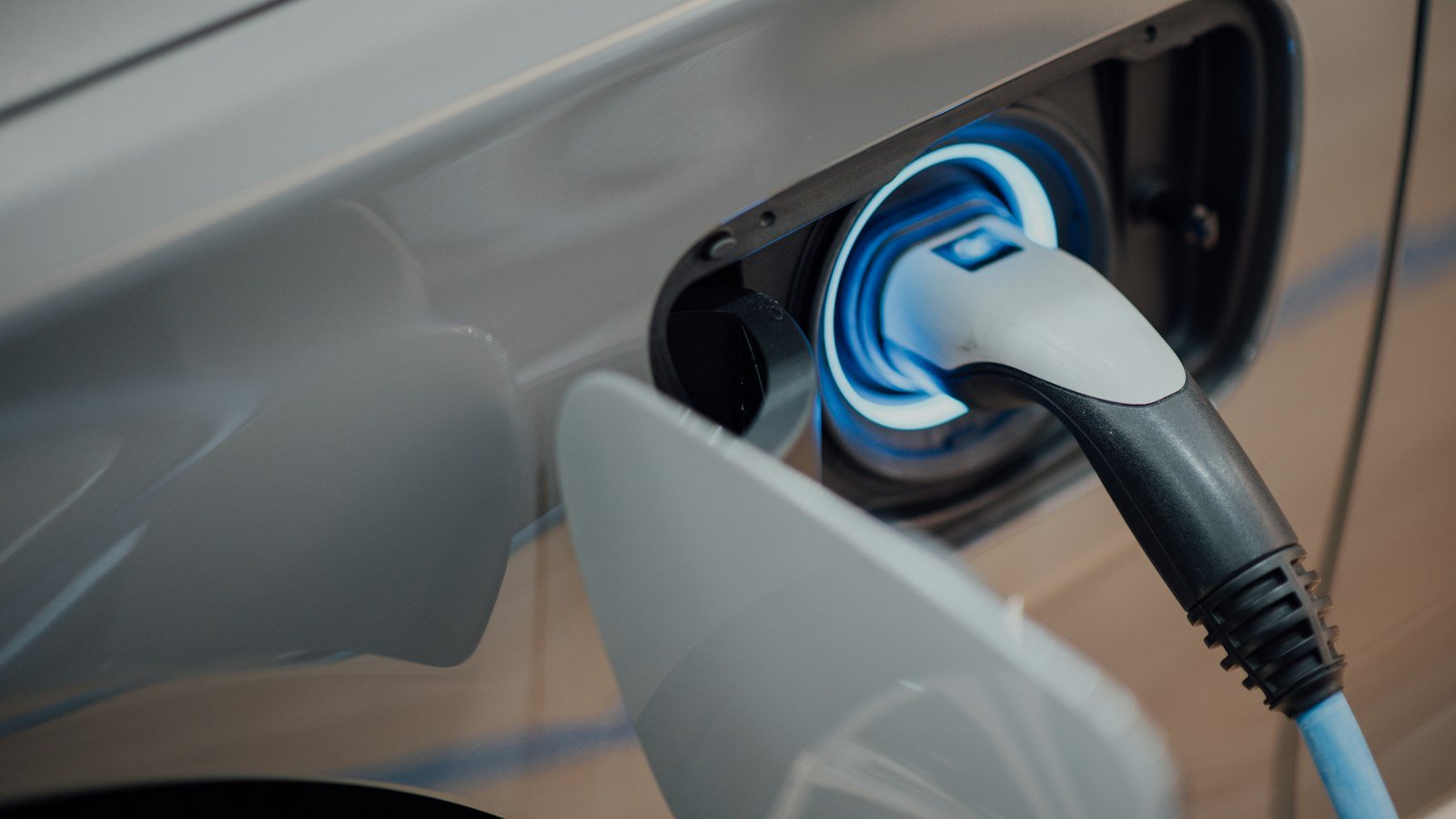
ADAS calibration for electric and hybrid vehicles
Electric and hybrid vehicles use the same kinds of ADAS sensors as other vehicles: forward cameras, front and corner radar, surround-view cameras and parking sensors. The calibration principles are the same too. The manufacturer's procedure for the specific vehicle decides whether calibration is needed after a repair, which method applies and what conditions the vehicle must be in, which can include how it's powered during the procedure.
- EVs and hybrids use the same kinds of ADAS sensors as other vehicles.
- The manufacturer's procedure decides when calibration is required and the conditions the vehicle must be in.
- A stable power supply during calibration matters, and EVs may have specific power-mode instructions.
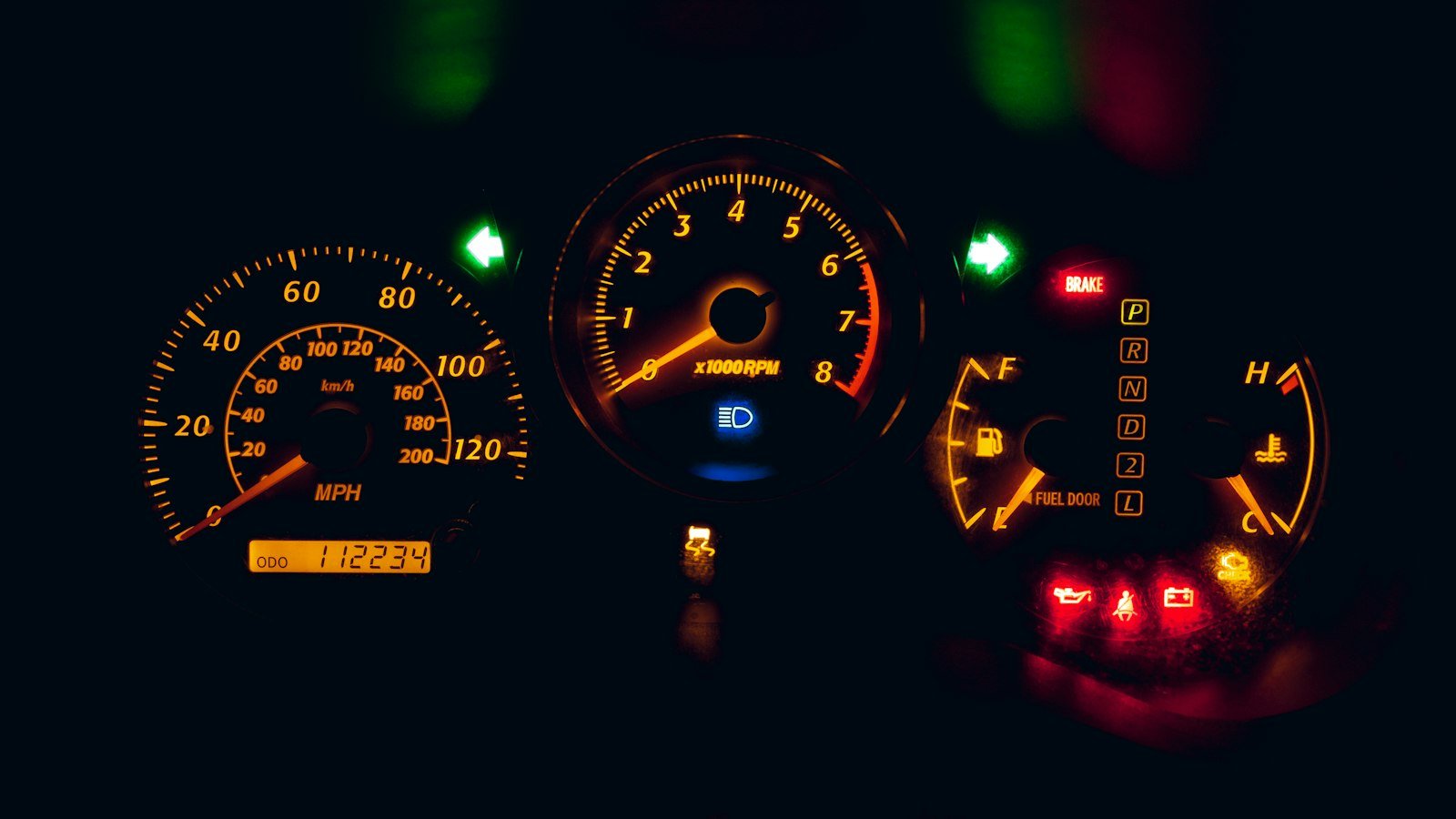
ADAS warning light keeps coming back: what's usually behind it
When an ADAS warning returns after the codes were cleared or a repair was done, the cause usually hasn't been fixed. Common reasons include a required calibration that wasn't done or didn't complete, a damaged sensor or bracket, a wiring or power issue, an unmet prerequisite such as wheel alignment, a part in front of the sensor that interferes with it, or a module that needs software or configuration. A diagnostic scan and the vehicle's repair history are the starting point.
- A warning that returns after codes are cleared means the cause is still there.
- Record the codes before clearing anything, and look at what repairs were done recently.
- Common causes include missed calibration, damaged brackets, unmet prerequisites and interfering parts.
Fitting ADAS calibration into the body shop workflow
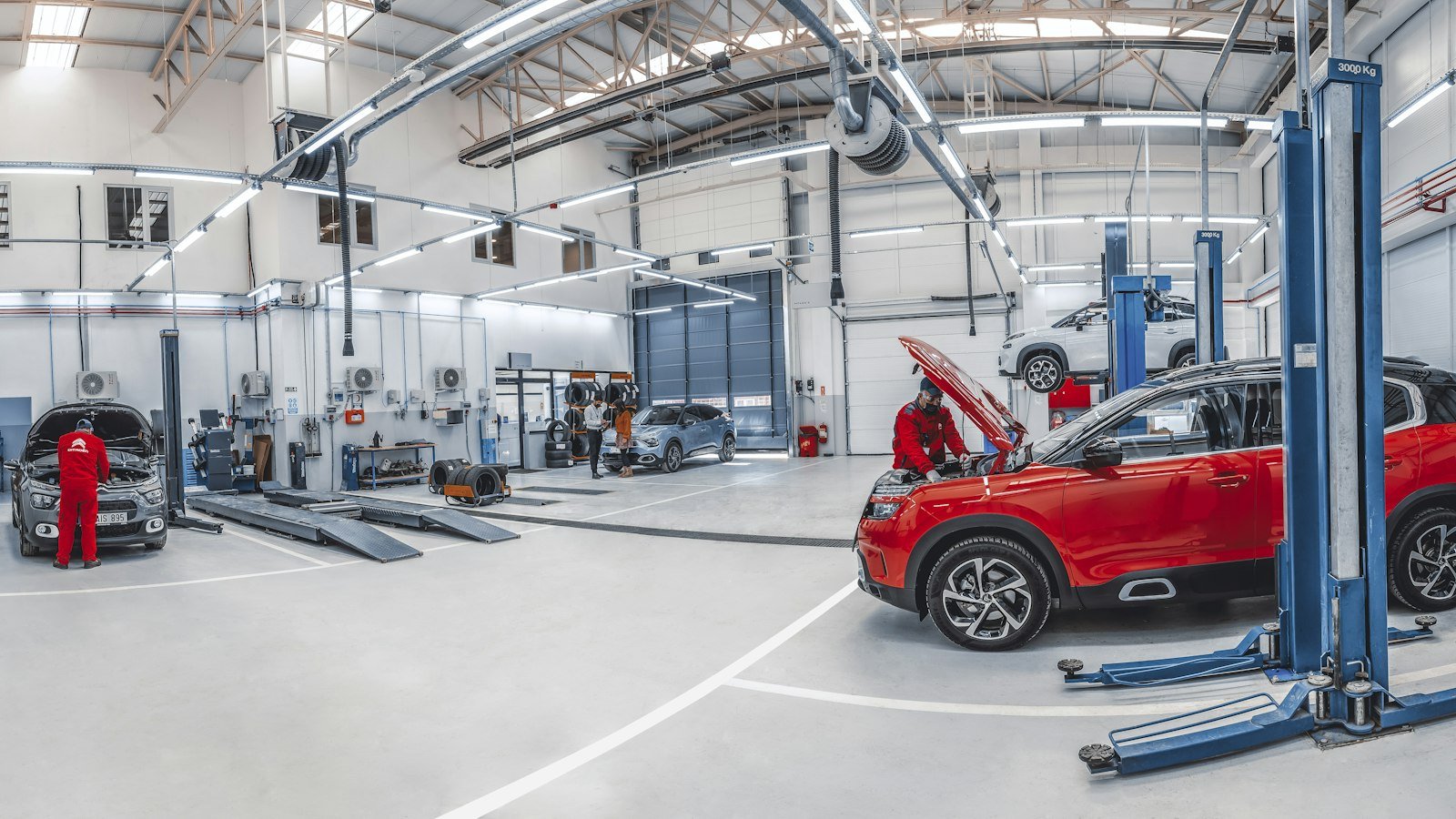
ADAS calibration works best when it's planned at the estimate, not discovered at delivery. Identify the equipped systems from the VIN, check the manufacturer's repair information for the parts being repaired, pre-scan, complete the repairs and alignment, then calibrate where the procedure requires it and post-scan before the keys go back. A mobile calibration provider can be scheduled into that sequence so the vehicle doesn't leave the shop.
- Plan ADAS calibration at the estimate, using the VIN and the manufacturer's repair information.
- Calibrate after repairs, reassembly and alignment, then post-scan before the keys go back.
- Book mobile calibration for when the vehicle will be ready, and send the details ahead of time.
ADAS calibration failed: what to check next
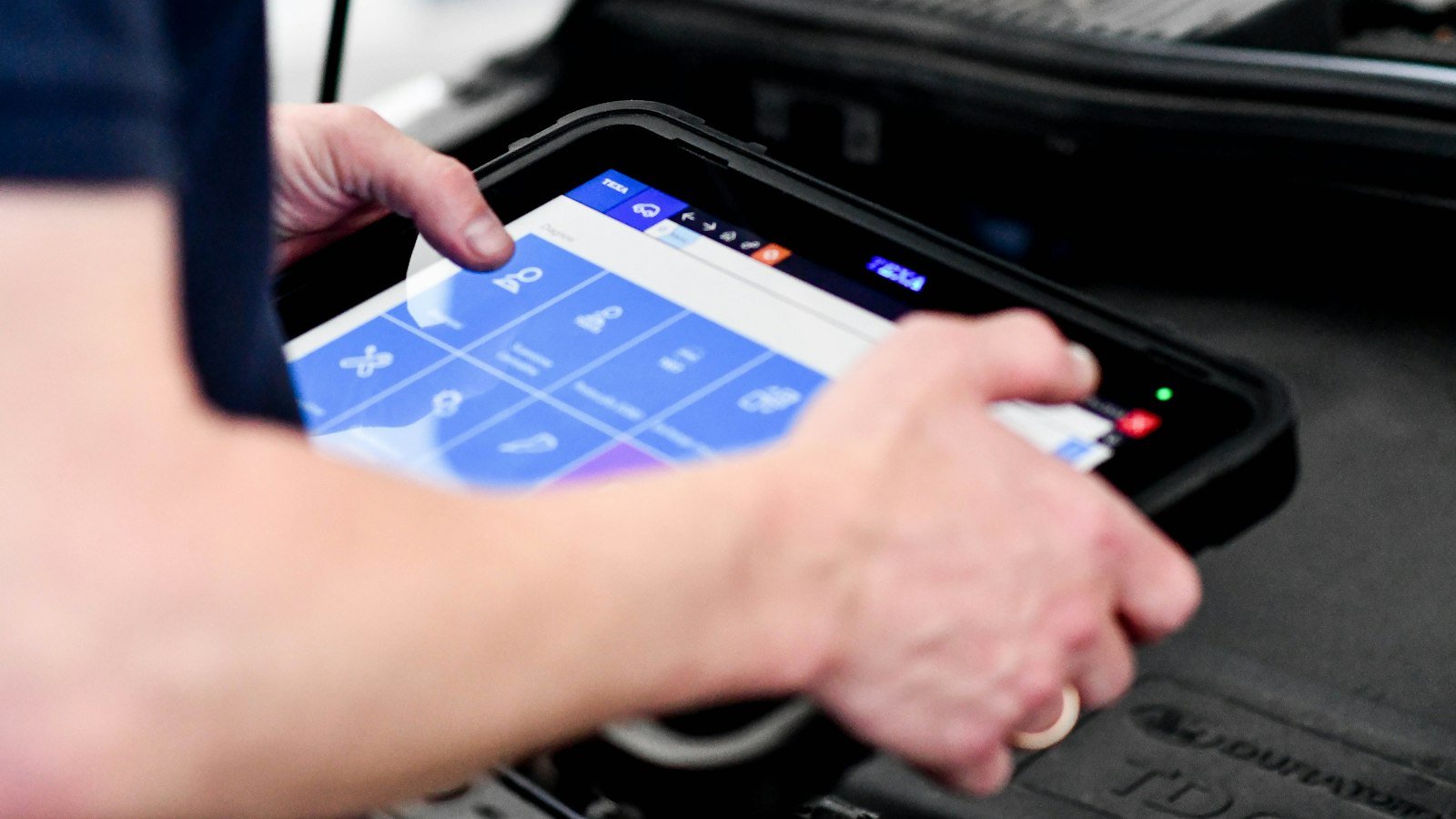
A calibration that won't complete is telling you something. The usual causes are an unmet prerequisite such as alignment, tire pressure or ride height, a calibration environment that doesn't meet the procedure, a damaged or loose sensor or bracket, a part that interferes with the sensor, a power or communication issue, or a module that needs software or configuration. Working through those in order is faster than repeating the procedure.
- Record the scan tool's message and codes before trying again.
- Check prerequisites first: tires, alignment, steering angle, ride height and power.
- Then check the environment, the sensor's mount and the parts in front of it.
Why ADAS calibration matters
Advanced Driver Assistance Systems (ADAS) use cameras, radar and other sensors for features such as lane-keeping assist, adaptive cruise control, automatic emergency braking and blind-spot monitoring. These systems only work as designed when each sensor knows exactly where it is pointing. Windshield replacement, collision repair, wheel alignment and suspension work can all change a sensor's position, which is why vehicle manufacturers publish calibration procedures for their systems.
These guides explain when calibration is typically needed, how the main procedures work and what to send when you book. The manufacturer's repair information for the specific vehicle is always the final reference.
ADAS calibration glossary
- ADAS
- Advanced Driver Assistance Systems: features such as lane-keeping assist, adaptive cruise control, automatic emergency braking and blind-spot monitoring that use cameras, radar and other sensors.
- Calibration
- The procedure that aligns a sensor to the vehicle's specifications so the system reads the road correctly. The procedure, targets and conditions are set by the vehicle manufacturer.
- Static calibration
- Calibration with the vehicle stationary, using targets placed at precise distances and heights while a scan tool guides the sensor through the procedure.
- Dynamic calibration
- Calibration on the road with a scan tool connected, driving under the conditions the manufacturer specifies until the system completes its learning.
- Pre-scan
- A scan of the vehicle's systems before work begins, recording the fault codes that are already stored.
- Post-scan
- A scan after repair and calibration, confirming the systems report no remaining faults before the vehicle is released.
- OEM procedure
- The repair and calibration instructions published by the original equipment manufacturer, meaning the vehicle maker. It decides whether calibration is required and which method applies.
- Prerequisites
- Conditions a procedure needs before it can start, such as correct tire pressures, a completed wheel alignment, level ground or clear space around the vehicle.
Services covered in these guides
- Forward-facing camera calibration
- Surround-view & 360° camera calibration
- Rear camera calibration
- Lane departure warning calibration
- Lane-keeping assist calibration
- Radar sensor calibration
- Adaptive cruise control calibration
- Blind-spot monitoring calibration
- Parking sensor & park-assist diagnostics
- Windshield replacement ADAS calibration
- Collision repair ADAS calibration
- Post-repair ADAS system checks
- Calibration after component repairs
- Static ADAS calibration
- Dynamic ADAS calibration
- Combined static & dynamic calibration
- ADAS diagnostic scanning
Need a calibration at your shop?
Call or text AdasX with the vehicle details. We'll confirm compatibility, the required procedure, pricing and availability.